
What Should I Expect at a Diabetic Foot Care Appointment?
At Advanced Foot & Ankle Specialists, we believe diabetic foot care is about more than simply treating problems. It’s about preventing them before they become serious.
Every diabetic foot care appointment begins with a comprehensive evaluation of your feet and lower legs. Because diabetes can affect circulation, nerve function, skin health, and wound healing, our podiatrists carefully examine every aspect of your foot health to identify potential concerns as early as possible.
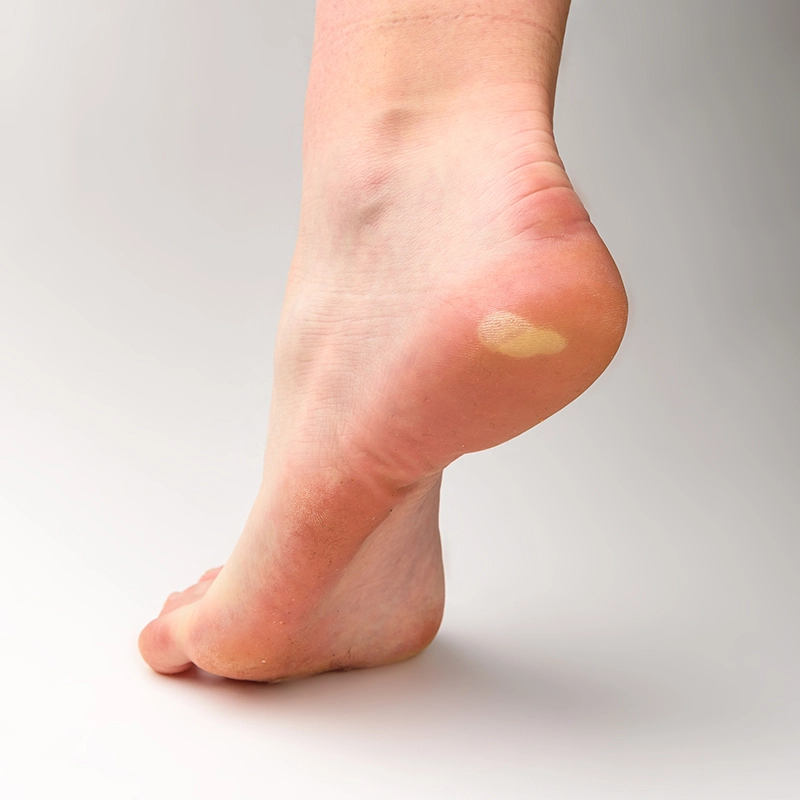
A Thorough Foot Examination
During your visit, your podiatrist will carefully evaluate your feet for signs of diabetic complications, including:
- Cuts, blisters, or wounds
- Corns and calluses
- Thickened or fungal toenails
- Skin changes, including dryness, cracking, or discoloration
- Swelling or inflammation
- Foot deformities such as bunions or hammertoes
- Areas of excessive pressure that may increase your risk of ulcer formation
Even minor issues can become serious for patients with diabetes, which is why routine evaluations are so important.
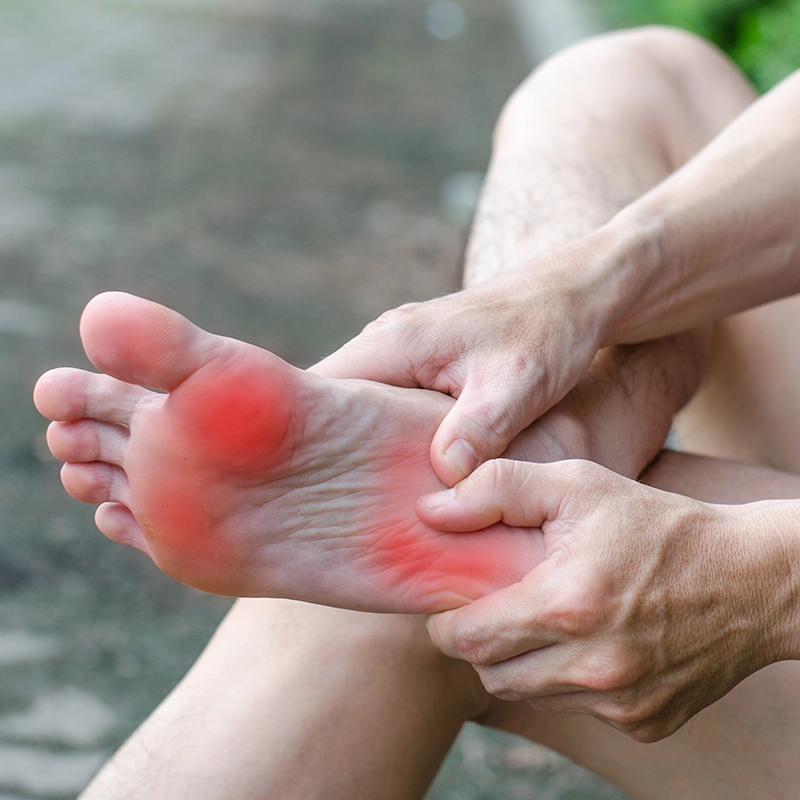
Neuropathy Screening
Many people with diabetes develop peripheral neuropathy, a condition that reduces sensation in the feet. Because nerve damage often develops gradually, you may not notice changes until significant loss of feeling has occurred.
If necessary, we will perform sensory testing to evaluate nerve function and determine whether you have signs of diabetic neuropathy. Detecting nerve damage early allows us to recommend strategies that help reduce your risk of injury and foot ulcers.
Circulation Assessment
Healthy circulation plays a critical role in healing and overall foot health.
During your examination, we will assess blood flow to your feet and lower legs and look for signs of peripheral arterial disease (PAD), which is more common in people living with diabetes. Poor circulation can slow healing and increase the risk of infection, making early detection especially important.
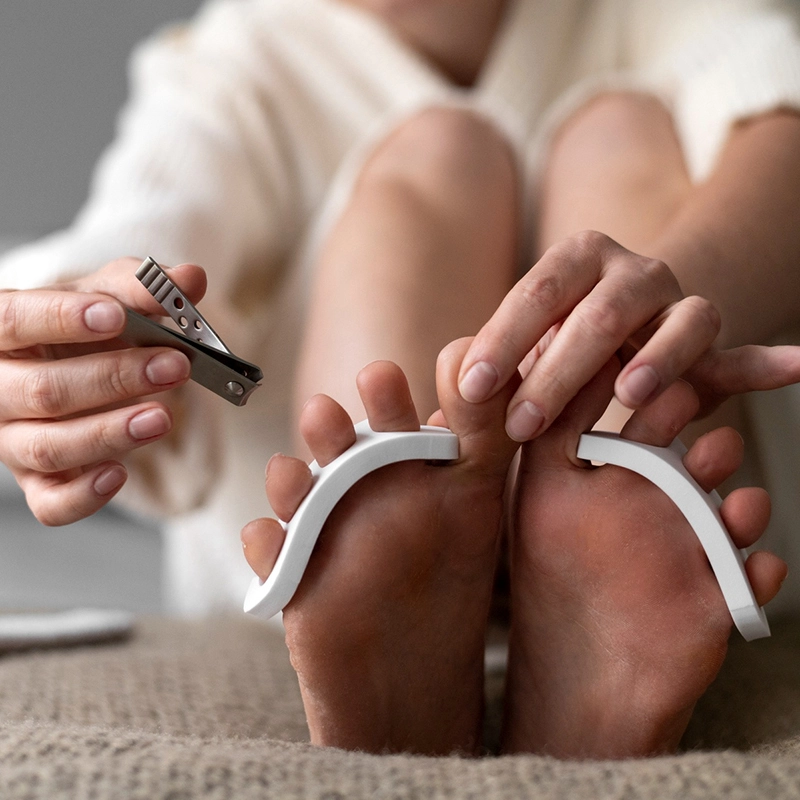
Professional Nail and Skin Care
Many diabetic patients have difficulty safely trimming their toenails or managing thick nails, corns, and calluses at home.
Depending on your needs, your visit may include:
- Professional toenail trimming
- Care for thick or fungal nails
- Safe reduction of corns and calluses
- Evaluation of cracked skin or pressure areas
Removing excess pressure and maintaining healthy skin can significantly reduce the risk of ulcers and infection.
Additional Testing When Needed
If your examination reveals concerns that require further evaluation, additional diagnostic testing may be recommended.
This could include imaging, vascular testing, or other diagnostic studies to better understand the condition affecting your feet and develop the most appropriate treatment plan.
Personalized Foot Care Recommendations
Every patient has different risk factors depending on their health, activity level, circulation, and medical history.
Before your visit is complete, your podiatrist will discuss personalized recommendations to help you protect your feet between appointments. This may include guidance on proper footwear, daily foot inspections, skin care, blood sugar management, and preventative care tailored to your specific needs.
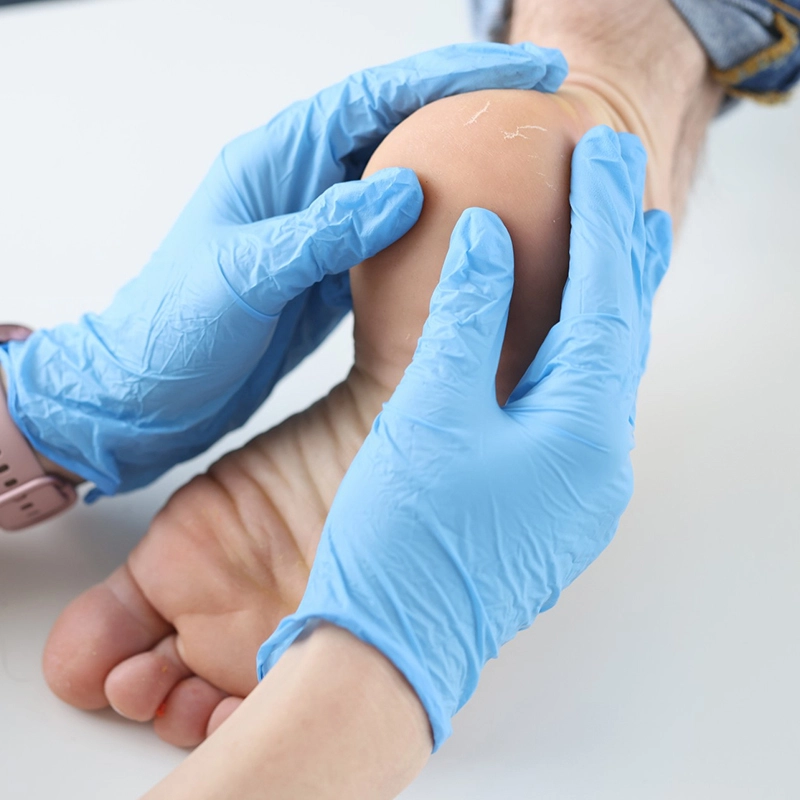
Why Routine Diabetic Foot Care Matters
Many diabetic foot complications begin without pain or noticeable symptoms. Because diabetes can reduce sensation, small injuries may go unnoticed until they become infected or develop into ulcers.
Routine diabetic foot examinations allow problems to be identified and treated before they become more serious. Regular preventive care can help reduce the risk of infections, delayed wound healing, hospitalization, and lower extremity amputation.
At Advanced Foot & Ankle Specialists, our goal is to help patients throughout Sugar Land, Houston, and Fort Bend County protect their foot health through early detection, advanced treatment, and ongoing preventive care. Whether you’ve recently been diagnosed with diabetes or have been managing it for years, routine diabetic foot evaluations are an essential part of maintaining your overall health and mobility.